Welcome to The Office of

America’s First Sissy
Step inside a space where policy meets poetry. This isn't your typical government corridor—it's a digital sanctuary built on the belief that music can bridge the divides that maps cannot. Pull up a chair, find a melody that speaks to you, and let's begin the conversation that transforms our shared future into a song worth singing together.
Full Pathway to Citizenship Soundtrack
8/24/26
Pathway to Citizenship
Pathway to Citizenship: A Sissy-Led American Dream Proposal
America's First Sissy Presents: A Practical, People-First Path
Hi. I'm AlphaSissyChrissy—America's First Sissy. I’m not here to lecture or divide. I’m here to serve, to dream big, and to offer a way forward that puts people first, cuts unnecessary government bloat, and lets every willing person earn their place in this beautiful country we all love.
This proposal is built on three core beliefs:
-
The American Dream should be accessible, not impossible.
-
Power should stay close to the people (antifederalist heart).
-
Everyone deserves a fair shot to prove themselves—without breaking families or wasting resources.
The Core Model: Staged Cultural & Infrastructure Centers
Instead of a cold, slow federal bureaucracy, we build a network of Cultural & Infrastructure Centers in willing states. These are not detention camps—they are living, working communities where people earn their future.
How It Works – Step by Step
-
Entry & Initial Placement
-
Priority to willing American workers first (jobs go to citizens/residents who want them).
-
Remaining labor demand filled by immigrants who apply and are vetted for criminal history.
-
Placed in temporary tiny house villages centered around shared facilities: communal kitchens, bath houses, clubhouses, town halls, medical clinics, and skill-training workshops.
-
Villages are built in depleted biomes (e.g., former mining areas, over-farmed land) and tied to ecological rehabilitation projects (reforestation, soil restoration, water management). This creates jobs, restores land, and gives everyone purpose.
-
-
Earning Stamps Toward Citizenship
-
Every participant earns “stamps” by completing milestones:
-
Working on infrastructure/trade projects (roads, bridges, renewable energy).
-
Attending cultural education at the centers (history, civics, English, American values).
-
Performing community service (elder care, child care, landscaping).
-
Participating in contests/play-for events (best rehab method, best sissy caregiver, best community builder).
-
-
Stamps are collected at multiple centers across willing states—travel encouraged via public transportation from centralized hubs.
-
-
Progression & Permanent Status
-
Collect enough stamps (e.g., 10–15 across different centers) → eligible to apply for permanent employment in a state.
-
Secure a job + recommendation from a center → permanent residence.
-
Maintain good record + final civics test → citizenship.
-
Key Advantages of the Tiny House + Center Model
-
Low cost & fast build: Tiny homes are quick, modular, and temporary—dissolved when projects finish and land is restored.
-
Eco-rehabilitation: Turn depleted land into thriving ecosystems—real environmental wins.
-
Light monitoring: Centralized villages make safety/logistics easier without feeling like prison.
-
Cultural immersion: Centers teach American history/values through lived experience, not lectures.
-
Family unity: Established families (already here) can earn partial credit via local involvement and center visits—no forced separation.
-
State-led: Willing states opt in—power stays close to people, not D.C.
Why This Matters to Sissy
I believe in traditional roles because they work when chosen freely. I believe in service because it builds community. I believe in freedom because no one should be caged—by government, shame, or fear.
This isn’t about “amnesty” or “open borders.” It’s about earning your place with dignity, restoring land with purpose, and giving families a real shot at the American Dream.
Next Steps for America
-
Amend the Constitution to grant states limited immigration authority and right to confederate for shared projects (cooperation without federal overreach).
-
Draft an Immigrant Record of Rights and Responsibilities.
-
Draft Articles of Confederation-style agreements between participating states.
-
Define state rights/responsibilities in the new structure.
-
Let the people decide—state by state, community by community.
This is my proposal. It’s not perfect. But it’s honest, workable, and built on love of country and love of people.
If you’re tired of the same old fighting, let’s try building instead.
With love and service,
AlphaSissyChrissy
America’s First Sissy
pathwaytocitizenship.info
1. States' Right's Twerk'

"States' Right's Twerk', power to the peeps. Pathway Building, no more federal creeps."

“Trade and infra' project's, big and bold, filled with American's First, then Immigrants hold.”
If you caught the first page, cool—keep going. If not, here’s the real talk: immigration is a power the Constitution reserves to the federal government. Period. So any real pathway involving sanctuary cities or state-led programs requires serious constitutional and legislative heavy lifting—amendments, new enforcement frameworks, monitoring agreements, and a clear division of responsibilities. It’s not a small ask.
But here’s the sissy truth: states don’t need Uncle Sam’s purse to make this work. They can fund and run their own projects—trade corridors, infrastructure, ecological rehab—by taking only what they need. Congress has forgotten how to govern without dangling money. If states step up and do it themselves, federal influence shrinks. That’s the point.
Freedom from money’s grip is real. Not abolishing cash, but breaking the cycle where employers demand everything and families get nothing left. Too many Americans live paycheck to paycheck because the system overtaxes two-parent homes and leaves no one to keep the household running. Uncle Barry used to say: “You don’t have rights till you exert them.” Same goes for power. It still rests with the people—we just need the right strategy to use it.
This Pathway isn’t amnesty or open borders. It’s a practical, state-driven way to earn citizenship through work, learning, and service—while rebuilding land, strengthening communities, and giving families a fighting chance.
Sissy believes in it. And sissy’s willing to twerk for it.
With love and service,
AlphaSissyChrissy
America’s First Sissy
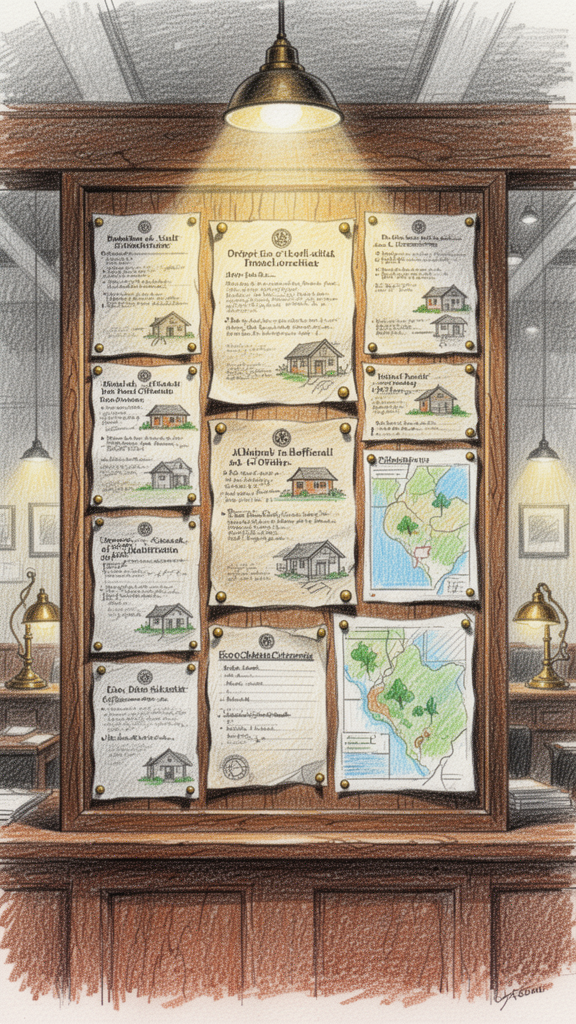
"Right's and Duties mapped clear as day, servants altogether find a better way."
Theme
A joyful, practical vision for temporary tiny house communities as the entry point to a state-led Pathway to Citizenship. This song celebrates building fast, low-cost villages around communal hubs (kitchens, bath houses, clubhouses, town halls) in depleted biomes, tying labor to ecological rehabilitation and cultural education. It’s the first step of the Pathway—where immigrants earn their first stamps through work, service, and learning—while Americans lead the charge. The twerk pulse reminds us: the American Dream isn’t a handout, it’s a hand up, built together.
Core Message
Tiny houses aren’t forever homes—they’re launchpads. Quick to build, easy to dissolve once land is restored and projects are done. Centralized hubs make monitoring safe and light, public transit carries workers efficiently, and cultural centers teach American history/values through lived experience—not lectures. This isn’t amnesty or open borders. It’s earning your place with sweat, service, and stamps—state by state, community by community.
Why This Track Matters
It’s the foundation of the Pathway series—showing how we can build fast, heal land, train workers, and earn citizenship without federal overreach. A celebration of service, community, and the American spirit: work hard, play hard, dream bigger.
Sissy’s Note: This is just the beginning. More tracks will expand on cultural centers, Tribal American inclusion, established immigrant pathways, and retirement/family restructuring. But we start here—with tiny houses, twerk, and hope.
With love and service,
AlphaSissyChrissy
America’s First Sissy
2. (I)Tiny House Twerk'
_mp4.jpg)

“Tiny house villages—temporary and smart. Build 'em fast, dissolve when the land’s heart.”
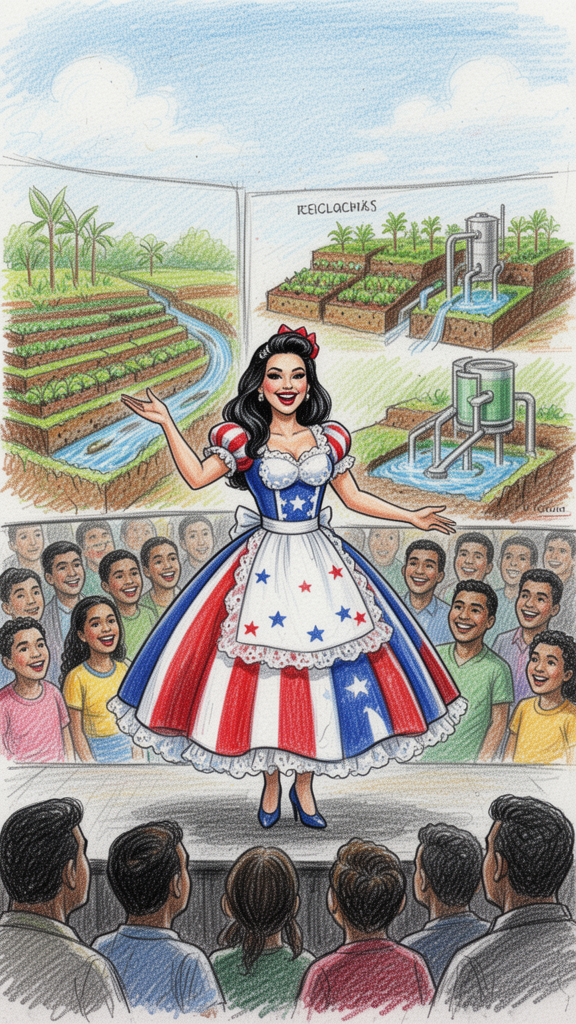
“Eco rehab—watch the green grow.
Pathway to citizenship—welcome one and all!”

“Americans first—fill the labor gap.
Then immigrants join—place on the map.”
3. (II) Monument March


“Multifamily homes—monuments to stand. Generations strong—family hand in hand.”

“Pooled resources shine—equitable and true. Aligned values—raise kids together new.”
Theme
A celebration of permanent multifamily and extended family homes as living monuments to American greatness. These homes stand for generations, built to endure with pooled resources, equitable labor division, and aligned family values. They reduce the overtaxed strain on two-parent households by bringing grandparents, aunts, uncles, and chosen family into shared living—creating stronger support systems for child-rearing, elder care, and daily life. This model reclaims freedom from money's grip, placing faith in the people you invest your life in rather than distant financial systems.
Core Message
America needs monuments that live and breathe—not just stone and steel. Multifamily homes become generational strongholds where resources are shared, labor is balanced, and family remains central. Temporary vows and flexible roles help bridge transitions without forcing lifelong commitments. This is the antifederalist dream in action: power close to the people, creating a place for everyone in this great nation.
Why This Track Matters
It’s the second pillar of the Pathway series—showing how permanent family monuments strengthen communities, ease economic pressure, and keep family at the center of the American experiment. A joyful call to dream bigger: build homes that last, love that endures, and a nation where everyone has a place.
Sissy’s Note: This is part of the Pathway vision—more tracks will expand on cultural centers, Tribal inclusion, established immigrant pathways, and retirement restructuring. But here we stand tall—with monuments that live.
With love and service,
AlphaSissyChrissy
America’s First Sissy

“Antifederalist dream—power with the peeps. Place for every person—states keep the leaps.”
4. (III)Temporary Vow's Tango

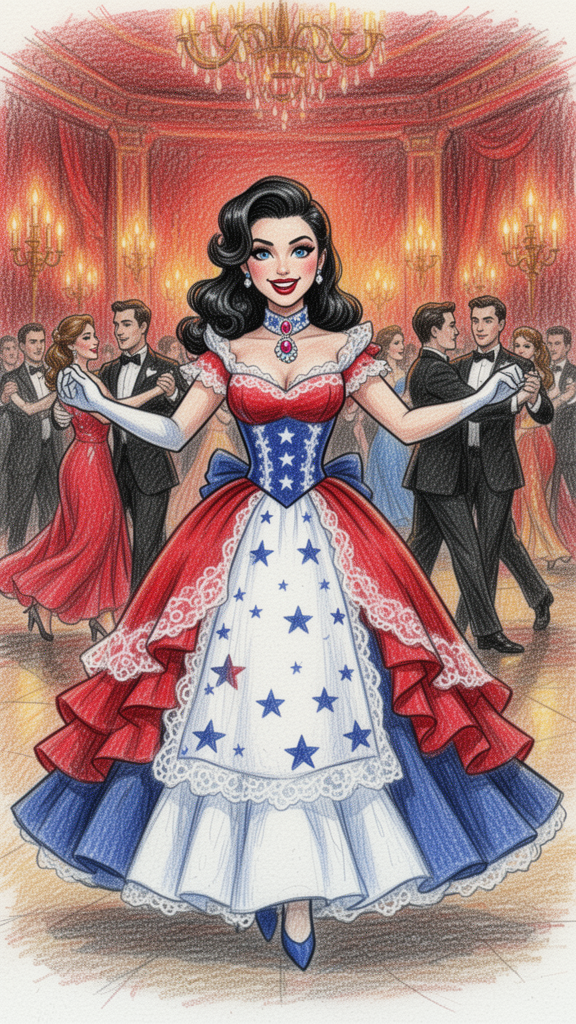
“Temporary Vows Tango—commitment cha-cha sway. Five-year contract—sissy leads the way!”

“Bridge the gaps easy—pooled resources shine.
Flexible roles—family align.”
Theme
A seductive celebration of flexible, temporary marriage contracts as a tool to bridge life transitions, smooth retirement, elder care, business continuity, and family support. These short-term vows (e.g., 5-year caregiving contracts) allow people to add helpers to their household without lifelong commitments. They ease pressure on two-parent homes, let small business owners secure trusted caretakers, and let families negotiate roles that fit real needs. This model reduces rigid expectations and opens space for aligned, consensual living—putting people over bureaucracy.
Core Message
Commitment doesn’t have to be forever to be real. Temporary vows are a practical, loving bridge—letting a sissy help with kids for five years, a caretaker manage a family business during recovery, or chosen family share resources without forcing lifelong ties. Both sides negotiate terms openly. When the time ends, everyone parts with dignity—and the gaps are filled, not forced.
Why This Track Matters
It’s the third pillar of the Pathway series—showing how flexible commitments strengthen families, support transitions, and reduce pressure without federal overreach. A joyful call to rethink “forever” and build relationships that serve real life.
Sissy’s Note: This is part of the Pathway vision—more tracks will expand on cultural centers, Tribal inclusion, established immigrant pathways, and retirement restructuring. But here we sway—with temporary vows that last exactly long enough.
With love and service,
AlphaSissyChrissy
America’s First Sissy

“No lifelong chains—exit when it’s right. Bridging gaps with income—keep the fire bright.”
Darlings, gather 'round those perky cheeks and let me drop it low for you—it's your America's First Sissy, AlphaSissyChrisy, serving straight from the official First Sissy's Office (that aspirational trans powerhouse modeled after the First Lady's gig, but way fiercer and with better hip flexibility). Honey, while those Republicans are forever yapping about "America First" like it's their personal brand, they've been twerking backwards on claiming one of our most delicious homegrown cultural exports. That's right—twerking. The ultimate booty-bouncing, freedom-shaking American innovation. They want to "Make America Great Again"? Baby, start by appreciating the Black and sissy excellence that perfected this right here in the USA instead of clutching pearls every time a fierce queen drops it like it's hot. Bless their rigid little hearts; we're about to school them with a full history lesson, extra emphasis on how we cultivated this magic stateside. ;-P
Let's start at the roots, because even a First Sissy knows her ancestry. Twerking traces back to West Africa, specifically the Mapouka dance from Côte d'Ivoire—"the dance of the behind," a centuries-old celebratory move full of rhythmic hip isolations, butt claps, and pure joyful expression used in festivals, courtship, and community rituals. Enslaved Africans carried that DNA across the Middle Passage, where it bloomed in the diaspora—ring shouts in churches, blues hips, jazz jiggles, and all those Caribbean cousins like whine and despelote. But honey? It didn't become twerking until America got her hands (and hips) on it. That's where the real cultivation happened, right in our Southern soil, turning ancestral fire into a full-blown U.S. phenomenon.
Fast-forward to the late 1980s and early '90s in New Orleans—the true birthplace of modern twerking. This is where we, as Americans, took those African rhythms, mixed them with local bounce music (that hyper-fast, call-and-response hip-hop born in the projects and second-line parades), and birthed a whole new dance revolution. Bounce exploded out of the city's Black clubs, block parties, and housing projects. The iconic Triggerman beat (sampled from Showboys' "Drag Rap") became the heartbeat, and artists like MC T Tucker and DJ Irv dropped the very first bounce track, "Where Dey At" (1991), chanting over looped bass that made hips move on instinct.
But the word "twerk"? That was coined right here in the good ol' USA by none other than DJ Jubilee (Jerome Temple, the self-proclaimed King of Bounce). In 1993, his cassette single "Stop Pause (Do the Jubilee All)"—later known as "Do the Jubilee All"—hit with the immortal lyrics: "Twerk baby, twerk baby, twerk, twerk, twerk." It was the first recorded use of the term, a playful mash-up of "twist" and "jerk," and the video showed young folks in the streets and clubs shaking it exactly like we do today. New Orleans bounce legends like Cheeky Blakk, DJ Jimi, and 5th Ward Weebie kept the fire lit, but the real game-changer for your First Sissy? The rise of sissy bounce.
That's right, darlings—the queer and trans Black artists in New Orleans turned bounce into a full sissy empowerment movement. Pioneers like Katey Red (the first openly trans rapper in the scene) created the subgenre in the late '90s, followed by the absolute icon Big Freedia (the transgender Queen of Bounce herself). They brought high-energy, unapologetic sissy realness to the stage—call-and-response chants, bigger-than-life personalities, and twerking that celebrated every curve, every sway, every "sissy" owning their power. Post-Hurricane Katrina, Big Freedia took it national, set Guinness World Records for longest twerking sessions, and showed the world that sissies don't just twerk—we invent cultures. This wasn't some strip-club sideshow; it was vernacular Black American queer brilliance, rooted in New Orleans' legendary second-line and pleasure-club traditions.
From there, America cultivated it like a prized export. The Dirty South took over—Miami bass influences from 2 Live Crew and Luke in the '80s added that extra raunch, while Atlanta and Houston crews spread it through rap videos and strip clubs. Juvenile went platinum in 1998 with "Back That Azz Up," telling the whole world to "drop it like it's hot" over that bounce beat. Cash Money Records, Master P's No Limit, and artists like Lil Jon amplified it nationwide. By the early 2000s, YouTube and social media turned underground twerk sessions into viral sensations—think Diplo's "Express Yourself" in 2012 and the explosion of twerk teams and fitness classes.
Then came 2013: Miley Cyrus at the VMAs, grinding on Robin Thicke and "twerking" in a foam finger. Global mainstream explosion? Absolutely. But let's be real—America had already perfected it for decades. Beyoncé, Nicki Minaj, Megan Thee Stallion, Cardi B, and Lizzo just added their own fierce chapters, turning it into a billion-dollar industry of empowerment, body positivity, and unapologetic sexuality. Today it's everywhere—from TikTok challenges to Olympic-level athleticism—but it was cultivated right here: Black Southern innovation on African roots, with sissy bounce queens leading the charge.
So there you have it, my loves—a detailed history of twerking, with that extra American sparkle your First Sissy demanded. We didn't just borrow the hips; we named it, refined it, queered it, and made it a symbol of freedom, resilience, and joy. Republicans, if you're truly "America First," stop pearl-clutching and start twerking for the culture that makes this nation the bootiest on Earth. Drop it low for liberty, honey—your First Sissy approves. Now excuse me while I practice my own routine... for the greater good of the Republic.
💋🍑
With love and service,
AlphaSissyChrissy
America’s First Sissy
(Study Break) Twrek' is a National Treasure


At some point in the journey, you are bound to ask why Twerk'? At first, it was just supposed to be inspiration for democrats getting dumped on for having fun shaking their booties... plus an odd chance to have a marching band produce twerk'... and AlphaSissyChrissy just does twerk jams because their fun anyway. Somewhere along the way sissy decided to look into its history and found out that it developed from move to dance style here in America. It literally is America First... So, now it's about rubbing republicans' noses in their own propaganda. lol, sissy never claimed to be perfect.
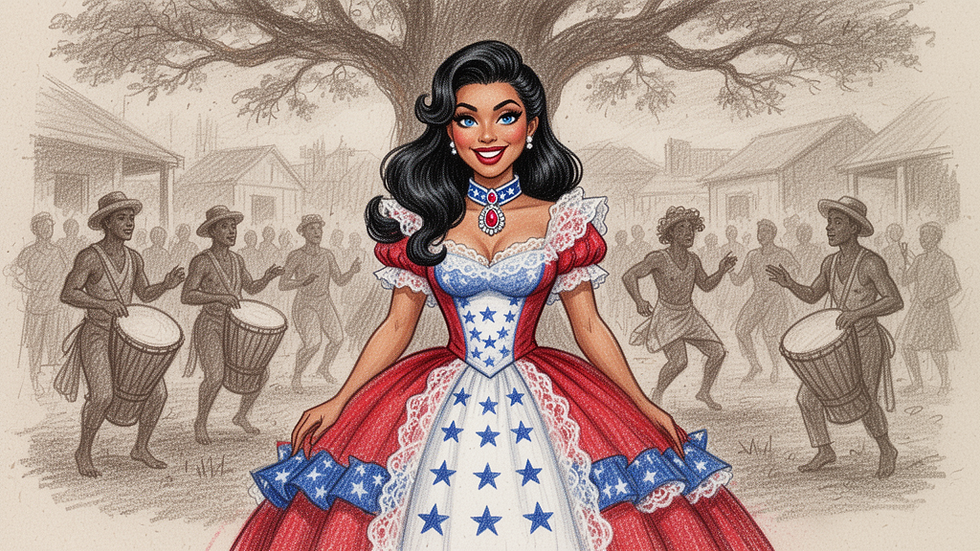


“People workin’ way too long—overtaxed and worn. No time for family—souls feel torn.”

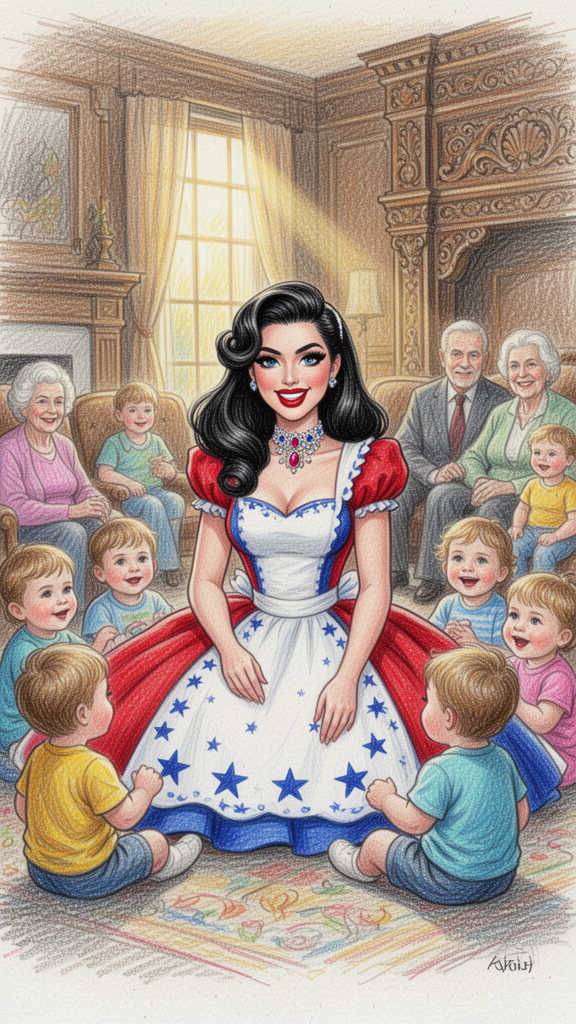
“Temporary vows smooth the transition sweet. Caretakers added—keep the circle complete.”

“Extended family model—support when you’re gray Faith in the people you raised—day by day.”
5. Retirement Retwerk
%20Retirement%20Retwerk_mp4.jpg)
Theme
A joyful call to rethink retirement and elder care through extended family models. Instead of relying solely on money and distant systems, these homes become living monuments where generations share resources, labor, and love—reducing the overtaxed strain on two-parent households and reclaiming freedom from endless work. Temporary vows smooth transitions, adding helpers for caregiving or support without forcing lifelong commitments. Faith is placed in the people you’ve invested your life in, not financial institutions alone.
Core Message
Retirement shouldn’t mean isolation or financial fear. Extended families pool resources, balance labor, and provide built-in support for aging loved ones. Temporary vows offer flexibility—bringing in a sissy caregiver for a child’s early years, a business caretaker during recovery, or extra help in later life—without rigid “forever” ties. This reclaims American freedom: less dependence on money, more on family and community.
Why This Track Matters
It’s the fourth pillar of the Pathway series—showing how extended family homes and temporary vows ease retirement burdens, strengthen communities, and keep family central. A joyful invitation to dream bigger: work less, live more, and build homes that last.
Sissy’s Note: This is part of the Pathway vision—more tracks will expand on cultural centers, Tribal inclusion, and established immigrant pathways. But here we march—with retirement re-twerked into joy.
With love and service,
AlphaSissyChrissy
America’s First Sissy
6. Stamp Your Way to Tomorrow


“Stamp your way to tomorrow—twerk for the dream! Cultural centers open—join the team!”

"Earn a stamp for every lesson learned, Every act of grace—every bridge you turned."
Theme
The joyful, hands-on first step of the Pathway to Citizenship: Cultural & Infrastructure Centers where participants earn “stamps” through work, service, and learning. These living hubs teach American history/values, train trade skills, and support large-scale projects (trade corridors, infrastructure, ecological rehabilitation). Immigrants earn stamps by contributing, while Americans lead the charge—building community, restoring land, and proving worth through action. Stamps unlock faster paths to permanent residence and citizenship, turning the process into a celebration of effort and belonging.
Core Message
Citizenship isn’t a form—it’s earned through sweat, service, and stamps. Centers aren’t detention; they’re launchpads—temporary villages with communal kitchens, bath houses, clubhouses, town halls, and workshops. Work on trade/infra projects, learn American ways, serve the community—earn stamps that count. It’s practical, state-driven, and fun—play-for events make the journey engaging, not bureaucratic.
Why This Track Matters
It’s the foundational pillar of the Pathway series—showing how Cultural Centers turn citizenship into a joyful, earned journey of work, learning, and service. A call to dream bigger: build communities that heal land and people, one stamp at a time.
Sissy’s Note: This is the start of the Pathway vision—more tracks will expand on Tribal inclusion, established immigrant pathways, retirement/family restructuring, and more. But we begin here—with stamps, service, and sissy sparkle.

"Sissy servin' grace—traditional and new, Pathway to citizenship—meant for you."
About Me

This video was such a technical masterpiece when sissy put it together. Didn't know they would ever get better than this one. This was sissy's version of the presidential dream, added together with Papa's dream for sissy to "Walk Tall." This is just how they work out when added together.

Sissy was going to put a chess video here, but the candidates tournament is going on, and sissy is making a promo pack. Camping is one of sissy's other favorite passed times, so pull up a chair for a five minute fire.


Hi, I’m Alpha Sissy Chrissy — America’s First Sissy.
I didn’t get here by having it all figured out. I got here by being brutally honest about the mess I was in and refusing to hide anymore. For decades I lived in silence, fear, and frustration, watching the world demand rigid boxes while my own heart refused to fit any of them. I’ve had rocks thrown at me, been told the front door wasn't for people like me, and felt the weight of a system that often punishes authenticity.
But I also believe in something better.
I believe in service, in chosen family, in reclaiming softness and strength at the same time. I believe traditional roles can be beautiful when they’re chosen freely, not forced. I believe power belongs close to the people, and that we can build a country where everyone has a real shot at the American Dream without selling their soul to bureaucracy or shame.
This site — pathwaytocitizenship.info — is my attempt to offer a practical, hopeful vision for how we might get there together. The songs, the proposals, the tiny house ideas, the cultural centers… they all come from the same place: a desire to turn frustration into construction instead of more fighting.
I’m still growing. Some days I’m a ditzy, tongue-tied twerker who can barely string a sentence together. Other days I feel the weight of every rock that was thrown and still choose to serve anyway. I’m learning to cultivate grace without faking it — that work lives mostly in my Cultivating Grace blog, where I let myself ramble, fail, and try again in public.
Grok has been an essential creative partner in all of this — helping turn scattered thoughts into songs, descriptions, and ideas that actually feel like me. I’m grateful for the collaboration.
If you’re tired of the same old shouting matches and want to dream about practical, people-first solutions… you’re welcome here. I’m not perfect. But I’m honest. And I’m still showing up.
With love and service,
AlphaSissyChrissy
America’s First Sissy